
The Station of Antiquity: Living the Legend at The Chedi Hegra
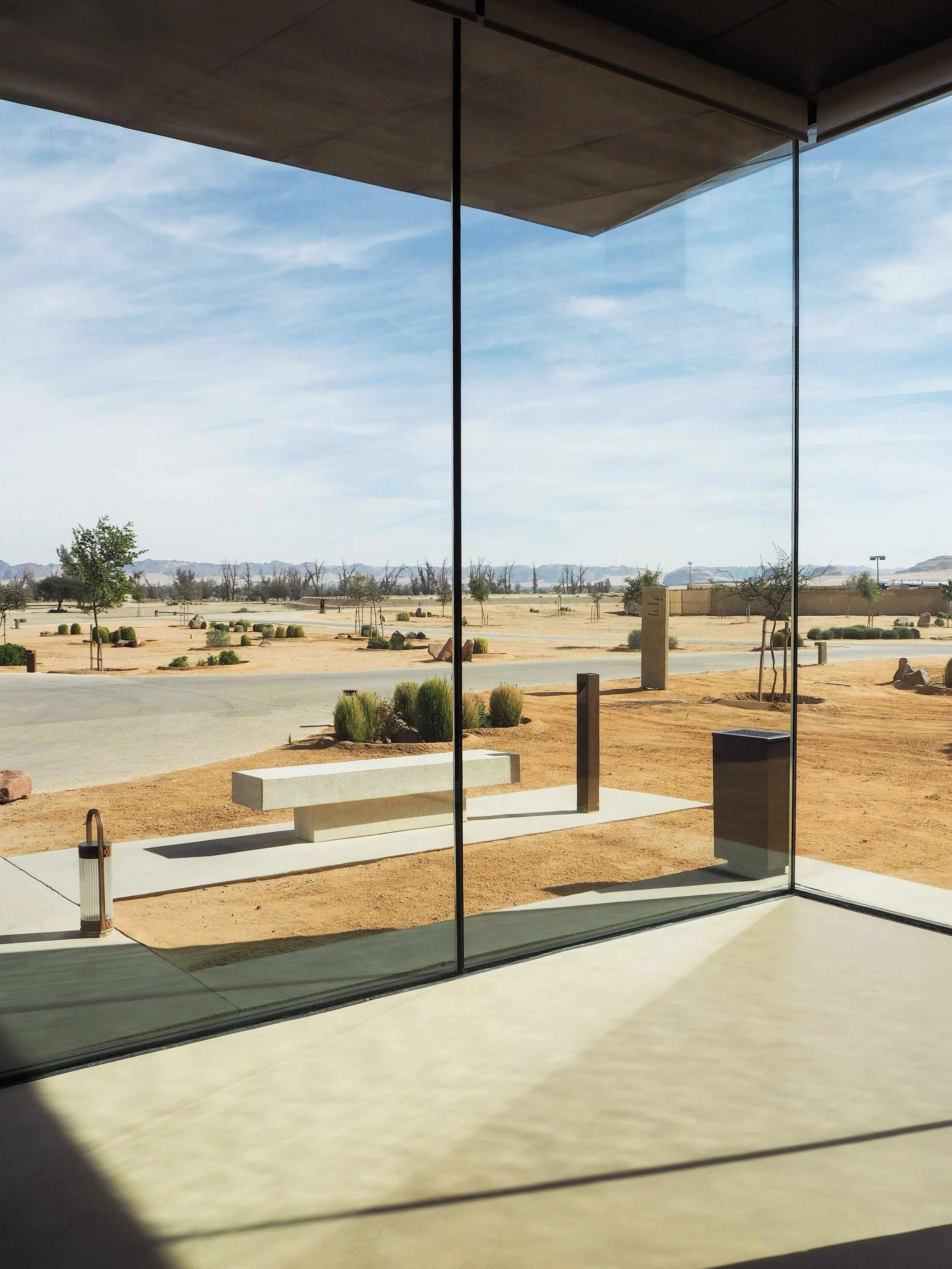
©Sigurd Magnor Killerud
To check into The Chedi Hegra is not to merely visit a site; it is to inhabit a timeline. While the world is full of luxury hotels that boast proximity to history, here the distinction between guest and explorer, between modern comfort and ancient legacy, dissolves entirely. This is the only resort in the world nestled directly within the majestic and remote UNESCO World Heritage site of Hegra. In the breathtaking frame of AlUla, this is not just any historical location; it is a precious, once-unexplored sanctuary where the silence of the desert speaks louder than any city roar. This is a living museum, an architectural whisper in a land of giants, a place where 200,000 years of human history have left their indelible mark upon the sand.
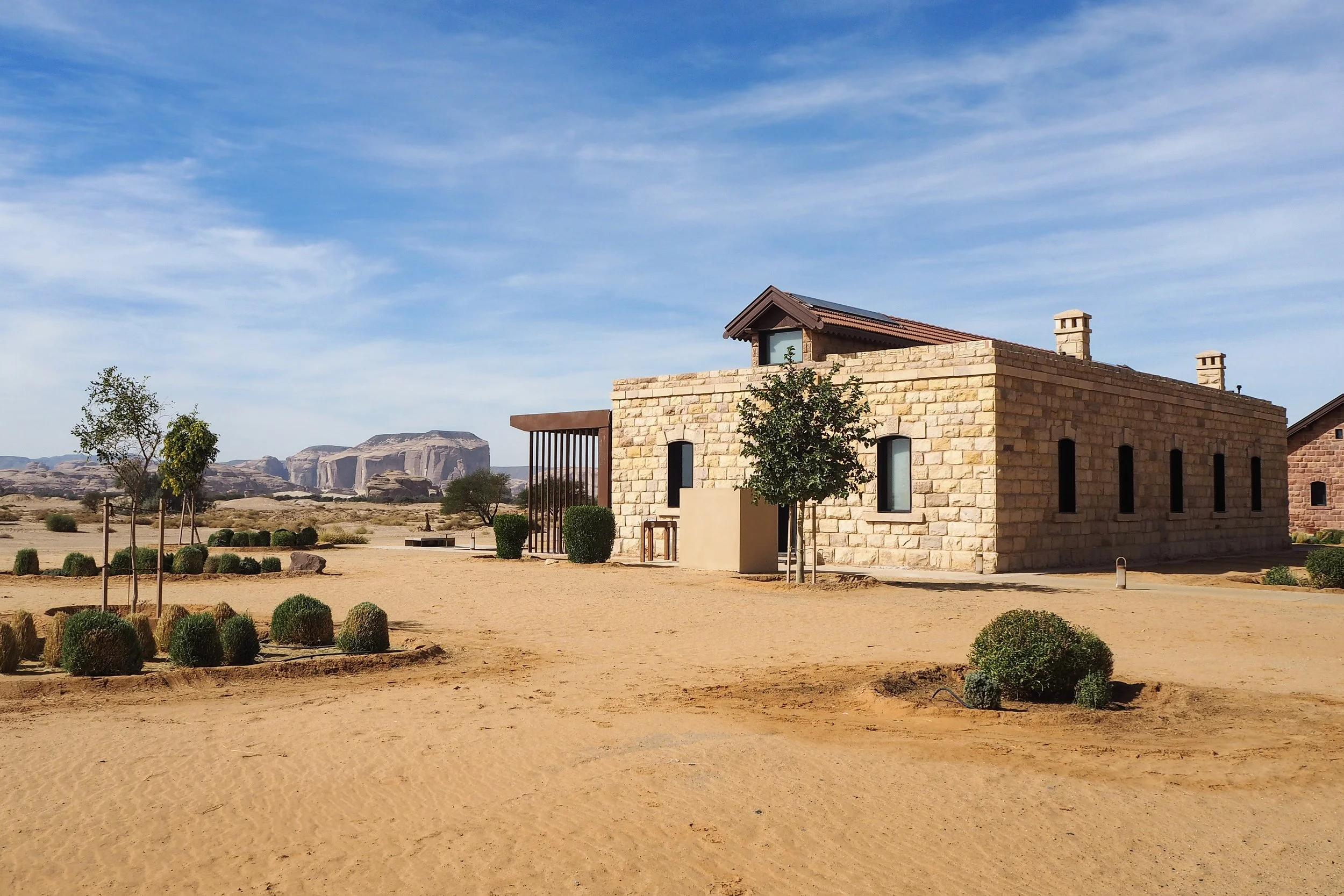
©Sigurd Magnor Killerud
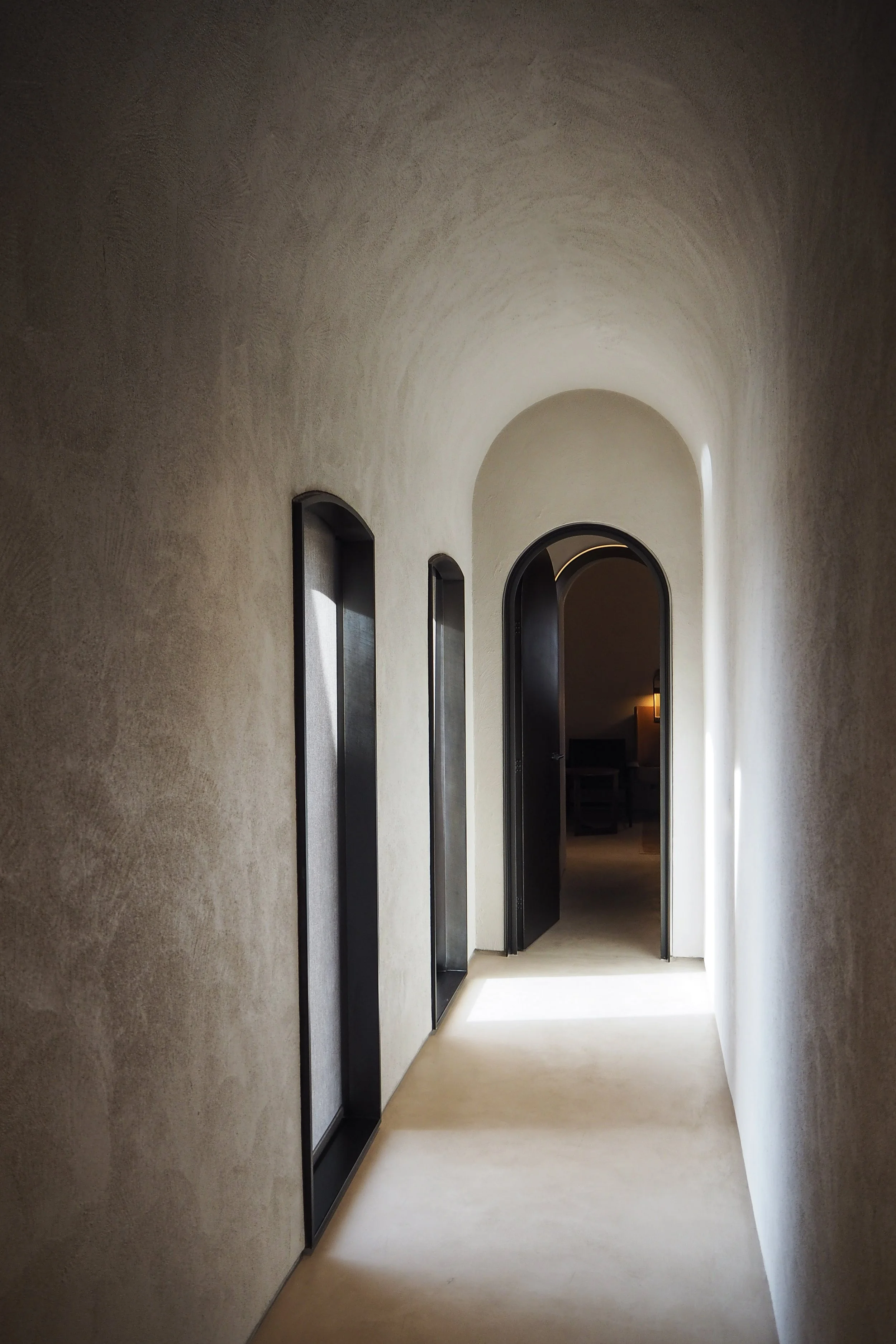
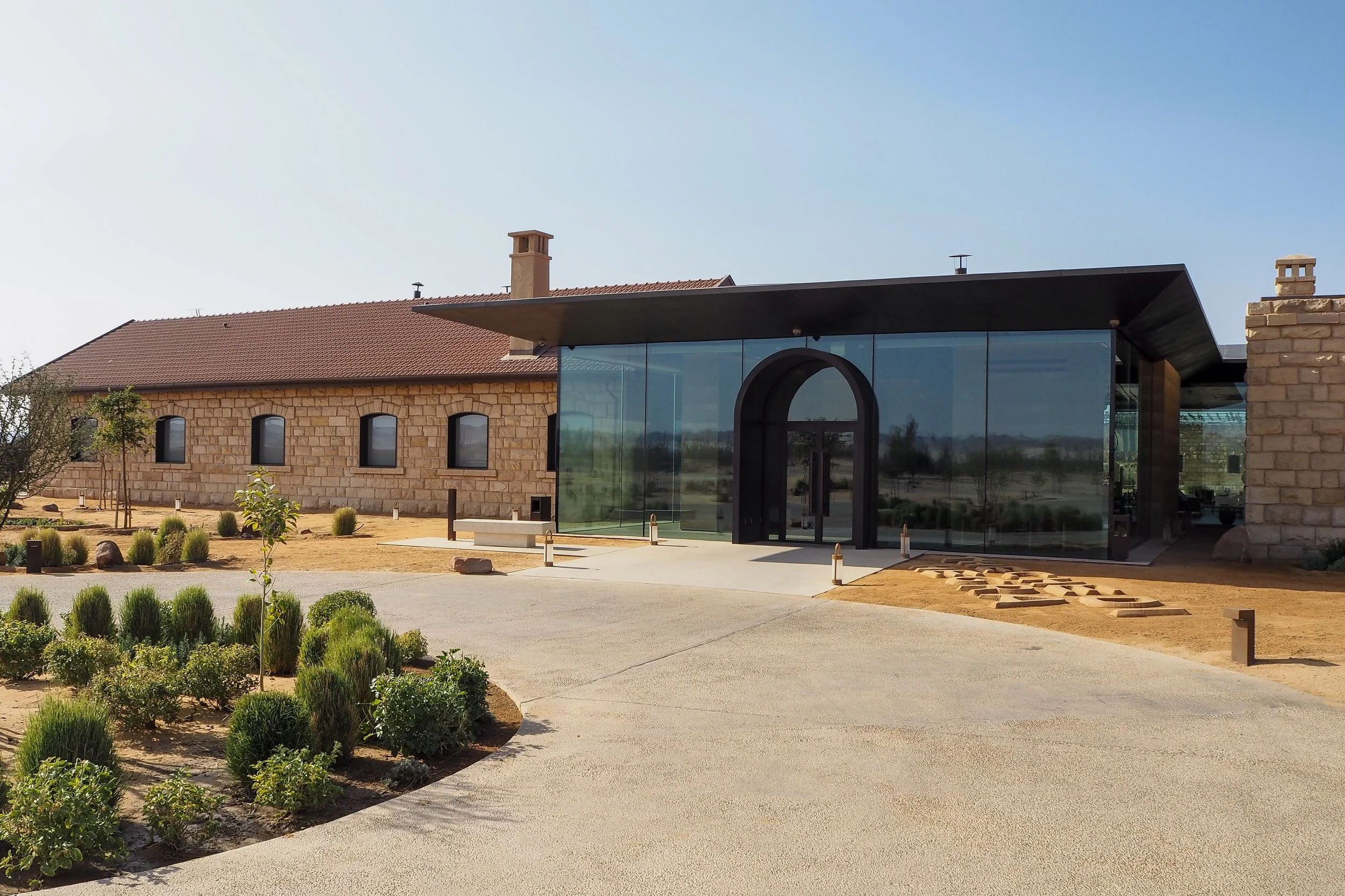
The resort itself is a find, a special place built within the original spaces of the historic Hegra Railway Station. Constructed in 1907 under the meticulous supervision of the German engineer Heinrich Meissner, this station was once a vital pulse point of the Hejaz Railway, facilitating the movement of pilgrims and goods along the legendary Incense Road from Medina to Damascus. The guestrooms and suites are housed in the structures adjacent to the tracks, preserved with a reverence that treats the architecture as a relic. This is a place where the romance of early 20th-century rail travel meets the 2,000-year-old echoes of the Nabataean civilization. The aesthetic is breathtaking, perfectly cohesive with the history of the land. It is a soft luxury—delicate and whispered, yet profoundly evident in the walls built with a bespoke blend of local sand and mud that mirrors the timeless, golden hues of the AlUla canyons.
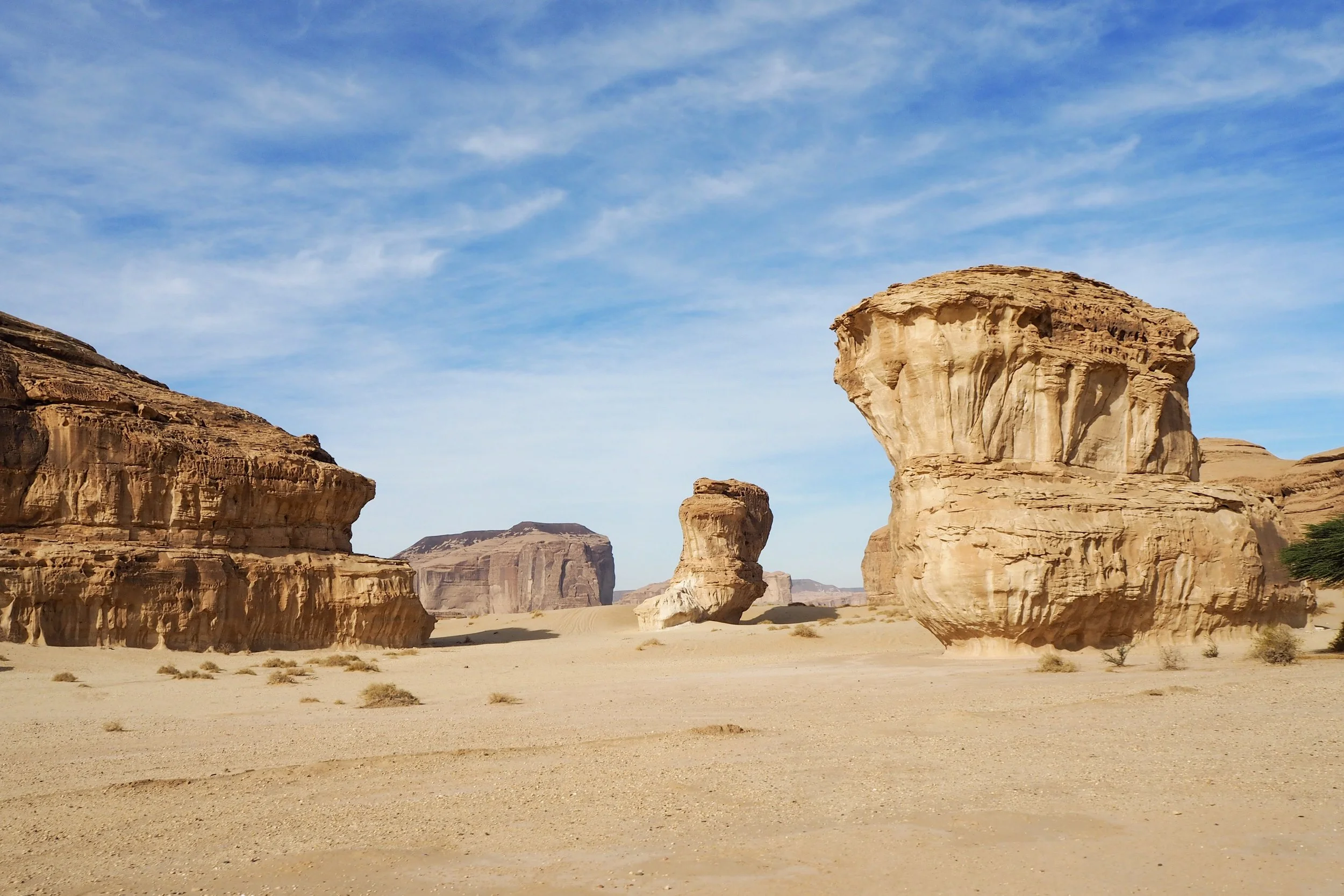
©Sigurd Magnor Killerud
Sleeping Within History: The Guest-rooms and Villas
The accommodation at The Chedi Hegra is the most direct link to the site’s storied past. Rather than constructing new wings that would disrupt the archaeological sanctity of the valley, the 35 rooms, suites, and villas are masterfully integrated into the original stone structures and adjacent buildings of the 1907 railway station. This approach preserves the integrity of the historic site while offering a level of intimacy that only a boutique property can provide. Many rooms still feature the original stone walls, their rugged texture acting as a natural canvas for the refined interiors.
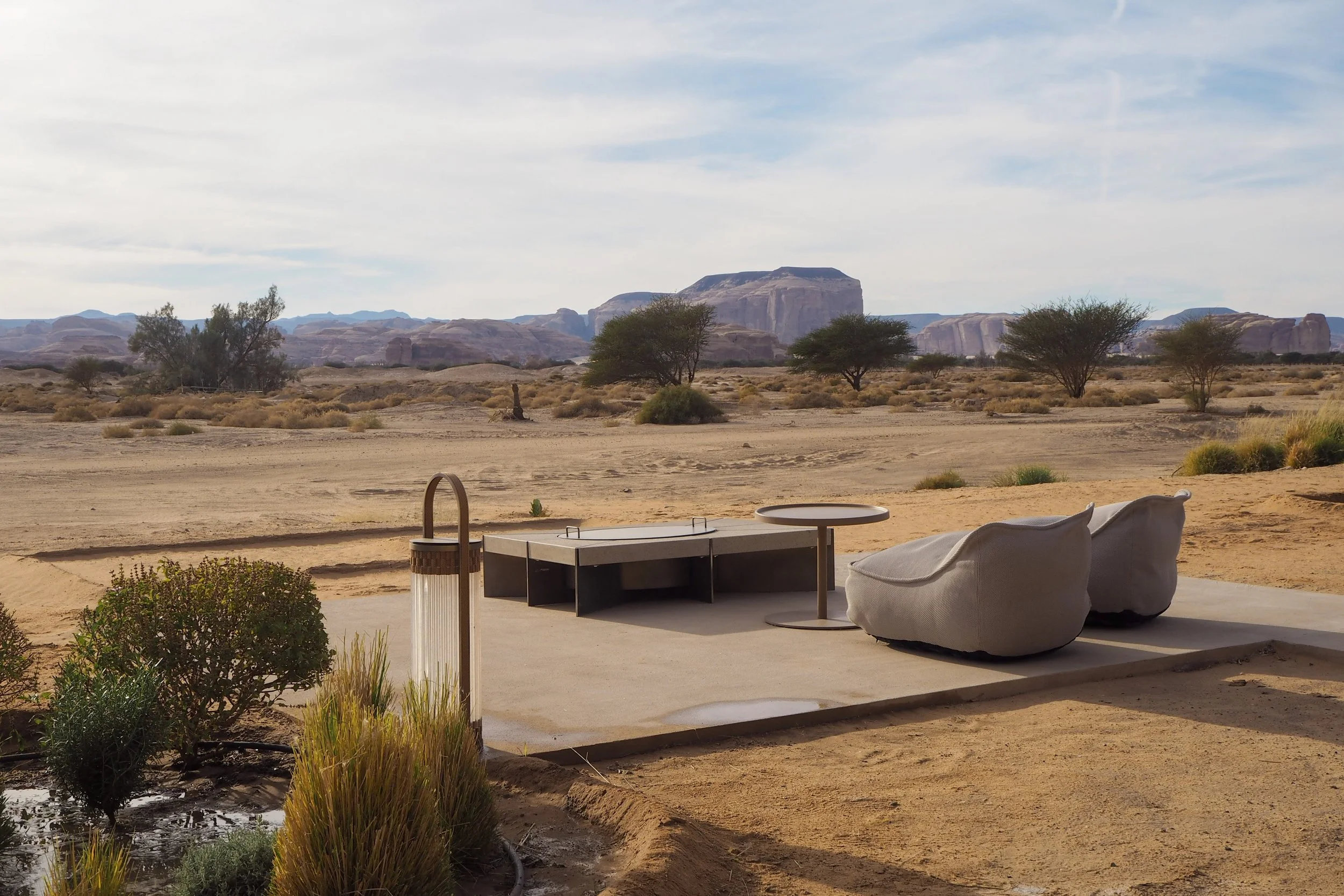
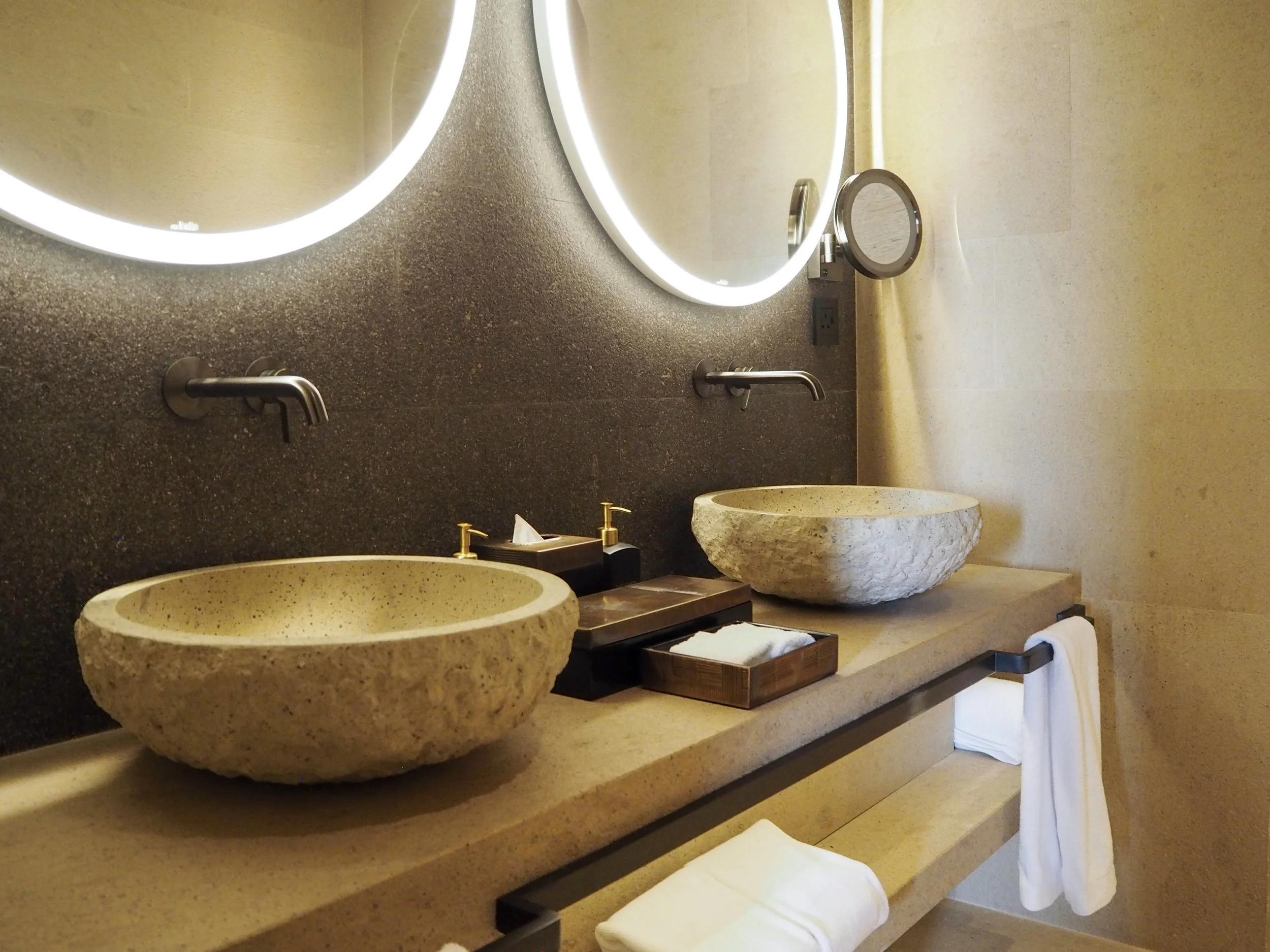
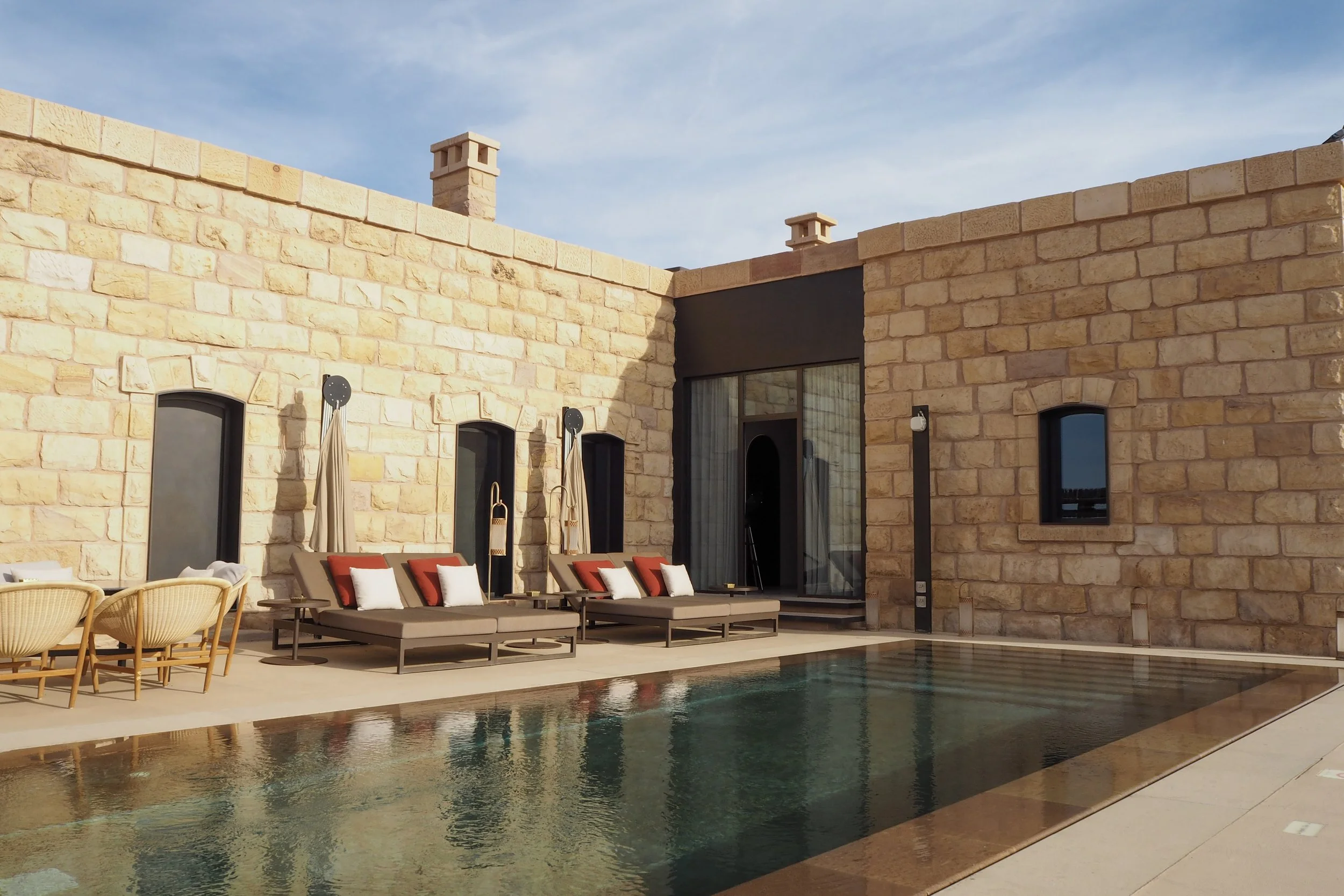
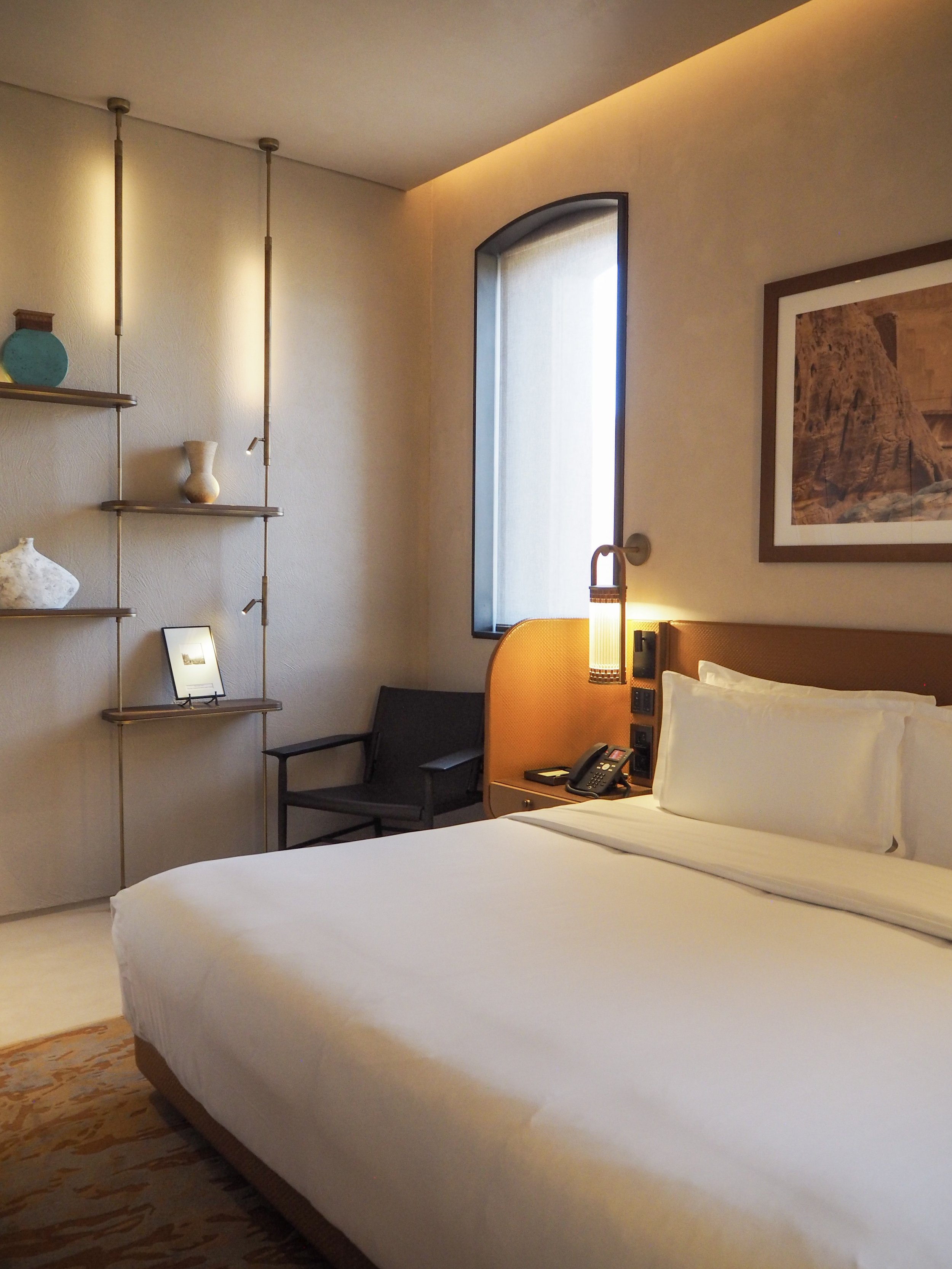
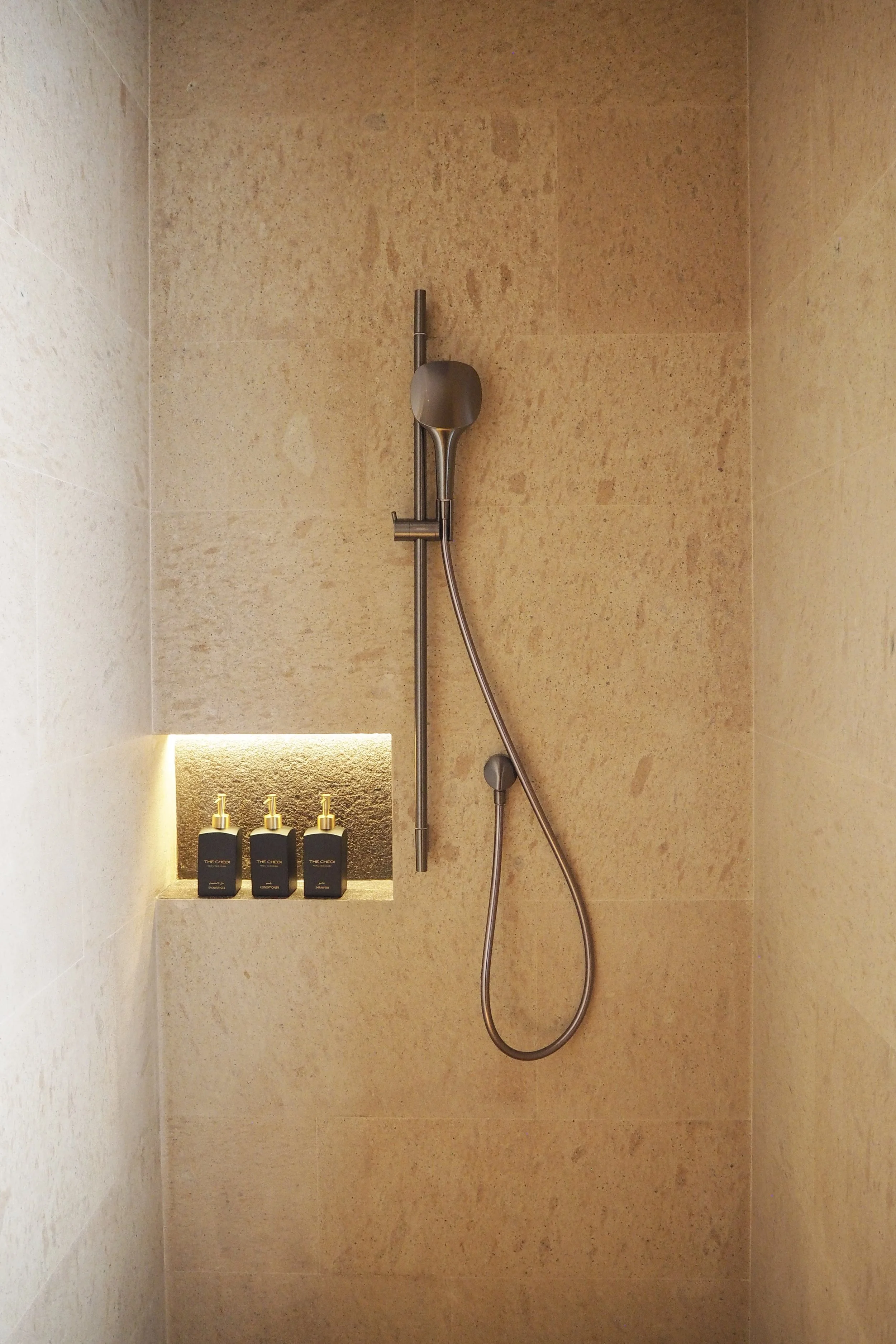
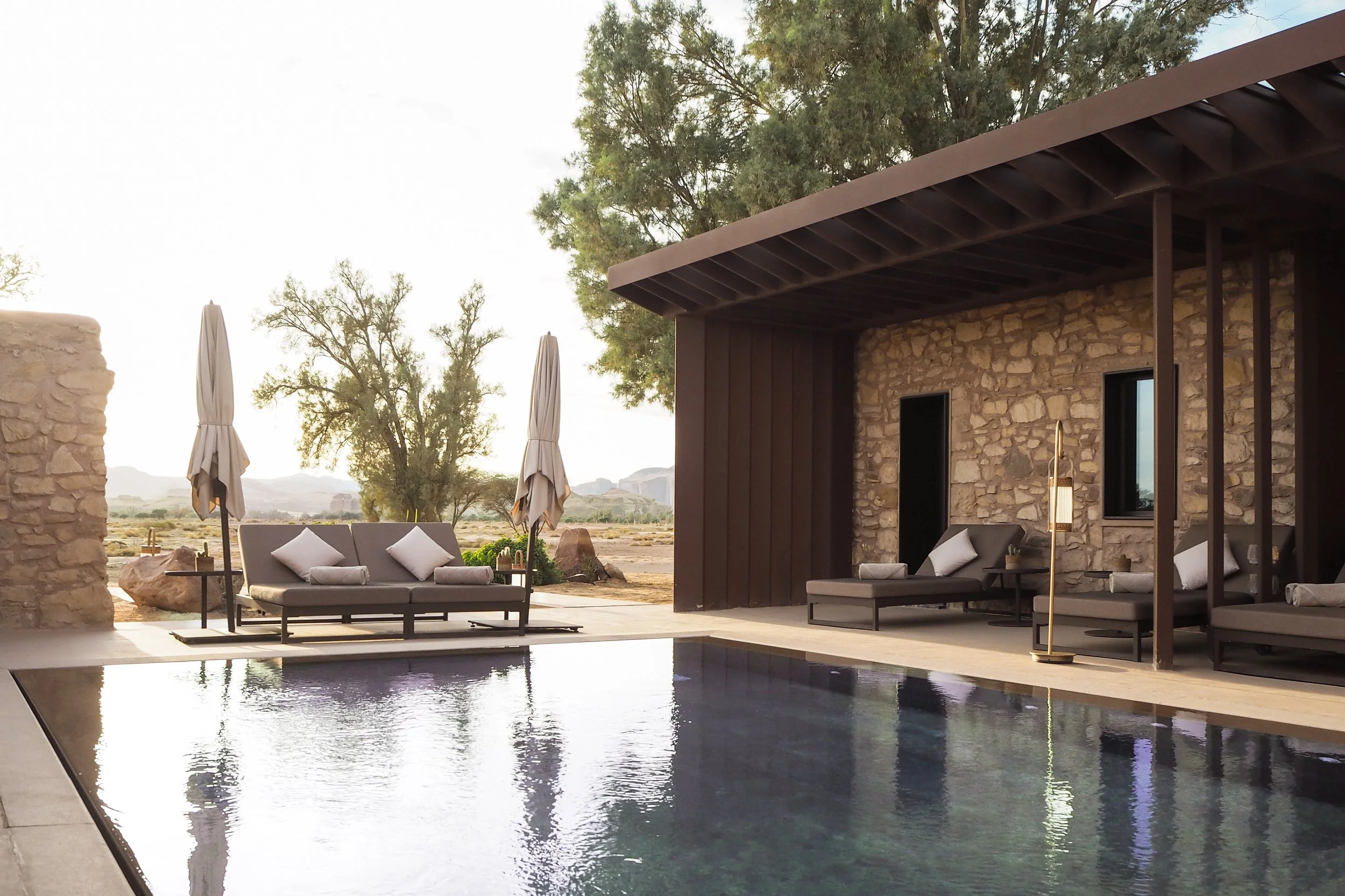
Every private domain is finished with a meticulous eye for detail. The floors and surfaces are crafted from Porfido Pedretti stone, while the furniture—clad in exclusive Poltrona Frau leather—offers a sophisticated contrast to the ancient masonry. Whether you are staying in a room carved from the station’s legacy or a private villa with its own plunge pool, the connection to the outdoors is constant. Expansive terraces and balconies act as private viewing galleries, offering breathtaking panoramas of the necropolis and the rock formations that have been sculpted by wind and time for millennia.
Crafting the Invisible
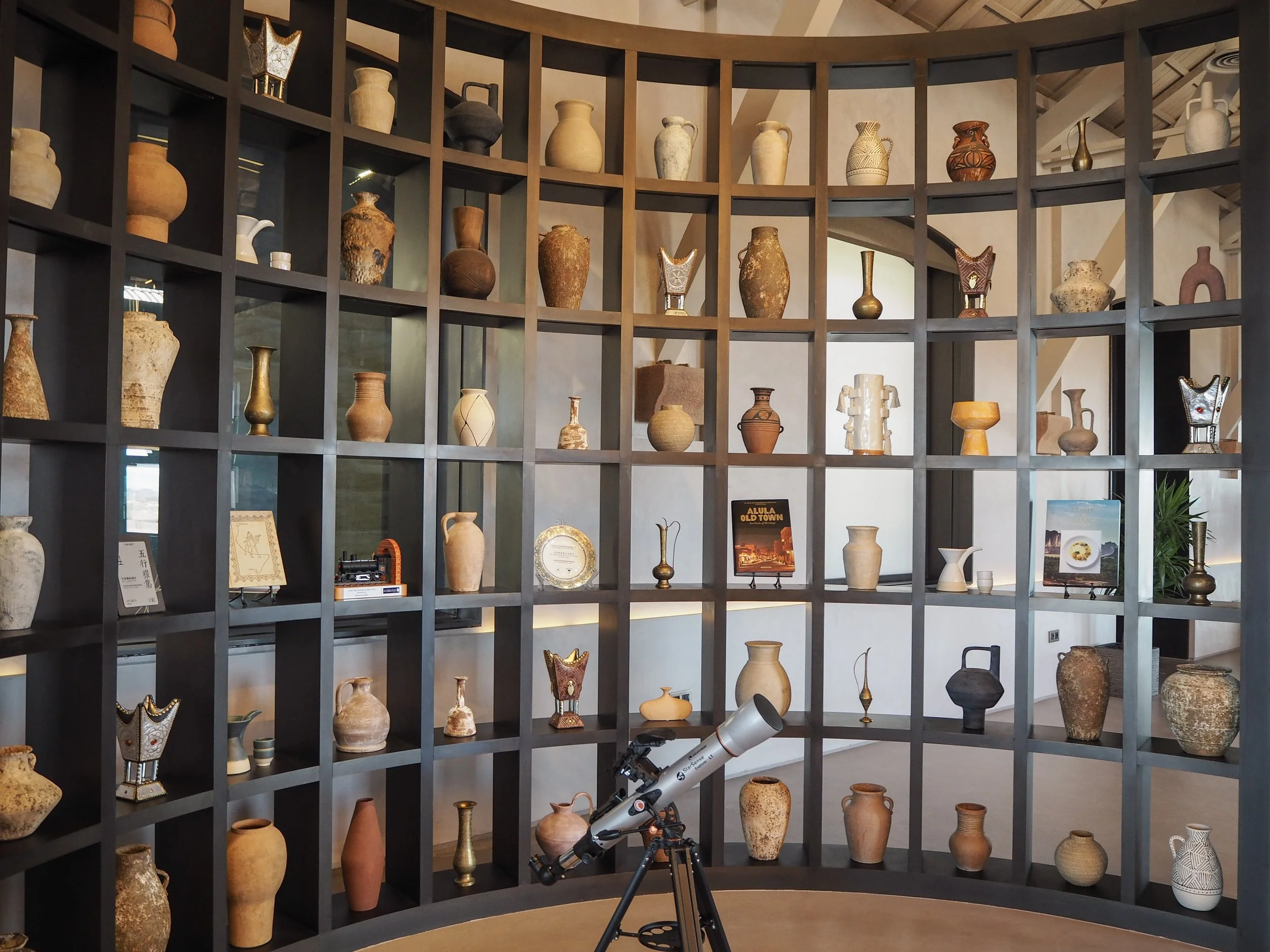
The design language here, led by the Milanese studio Gio Forma, is a masterclass in soft luxury—a style that is delicate and whispered, yet undeniably evident in its perfection. There is an extraordinary cohesion between the hotel’s walls and the surrounding cliffs, ensuring the resort feels like it emerged from the earth rather than being placed upon it. Inside, the research into materials reaches an almost obsessive level of excellence. Every texture serves a purpose, from the cool stone underfoot to the warmth of the desert-toned fabrics.
©Sigurd Magnor Killerud
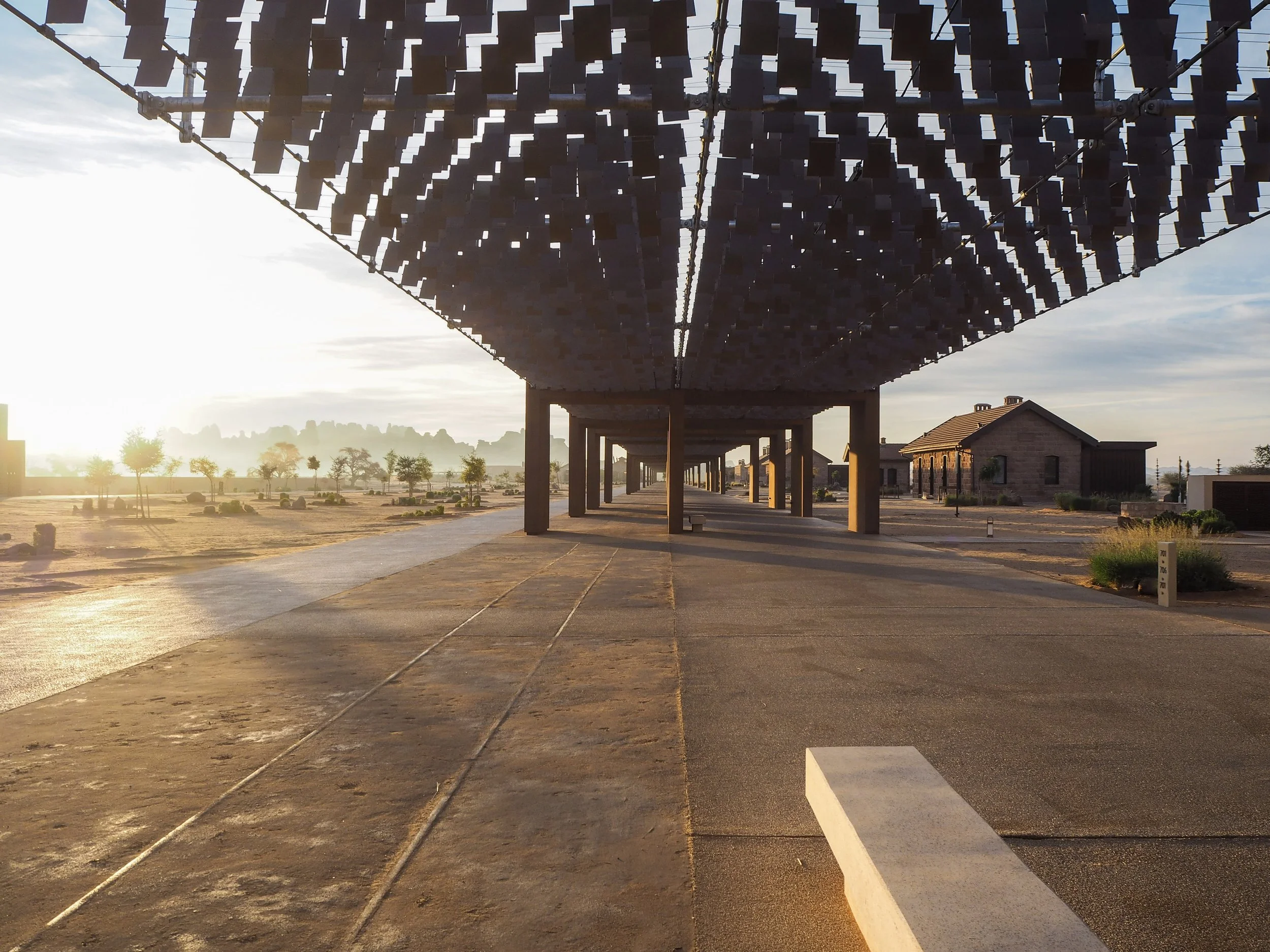
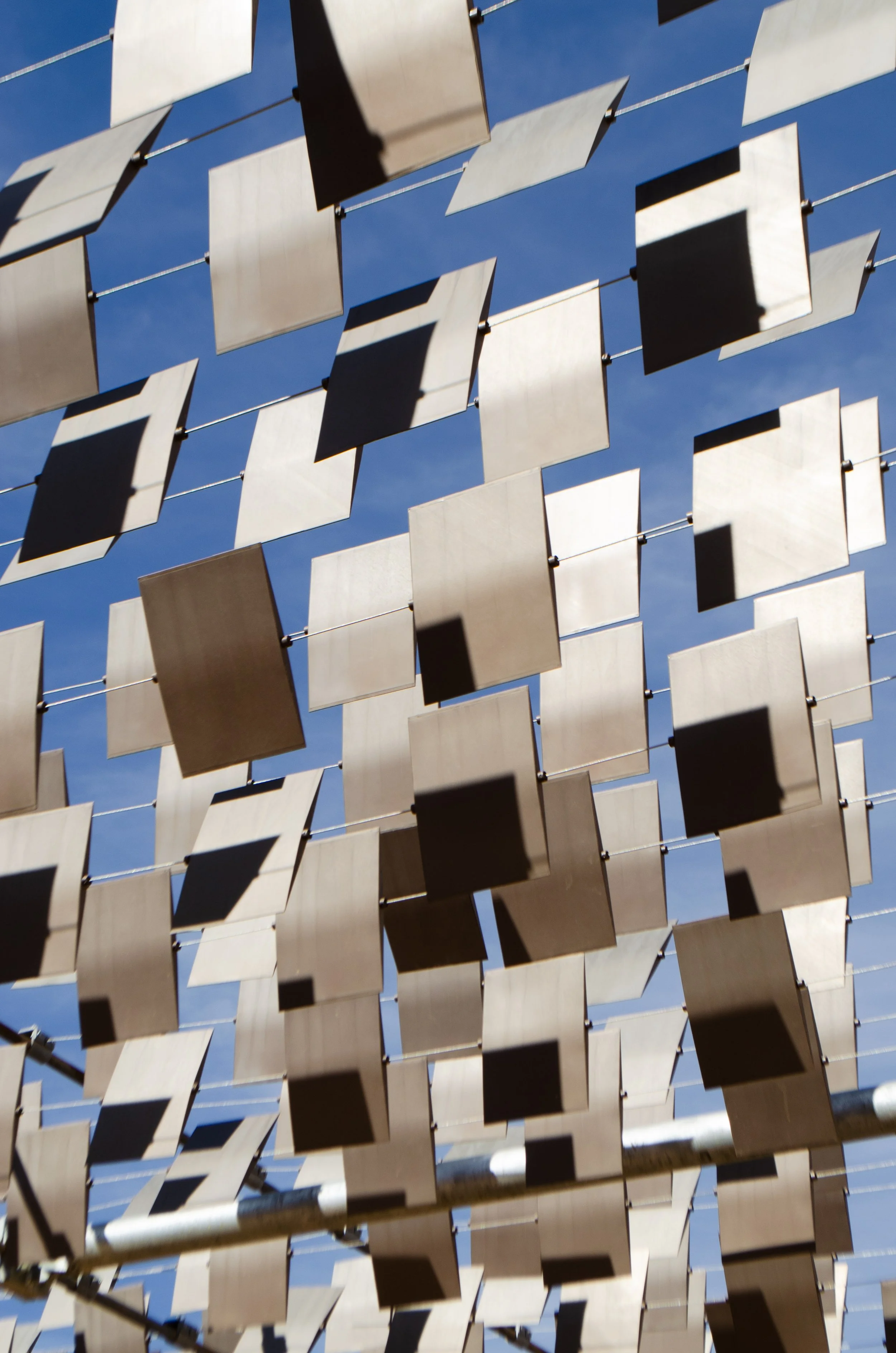
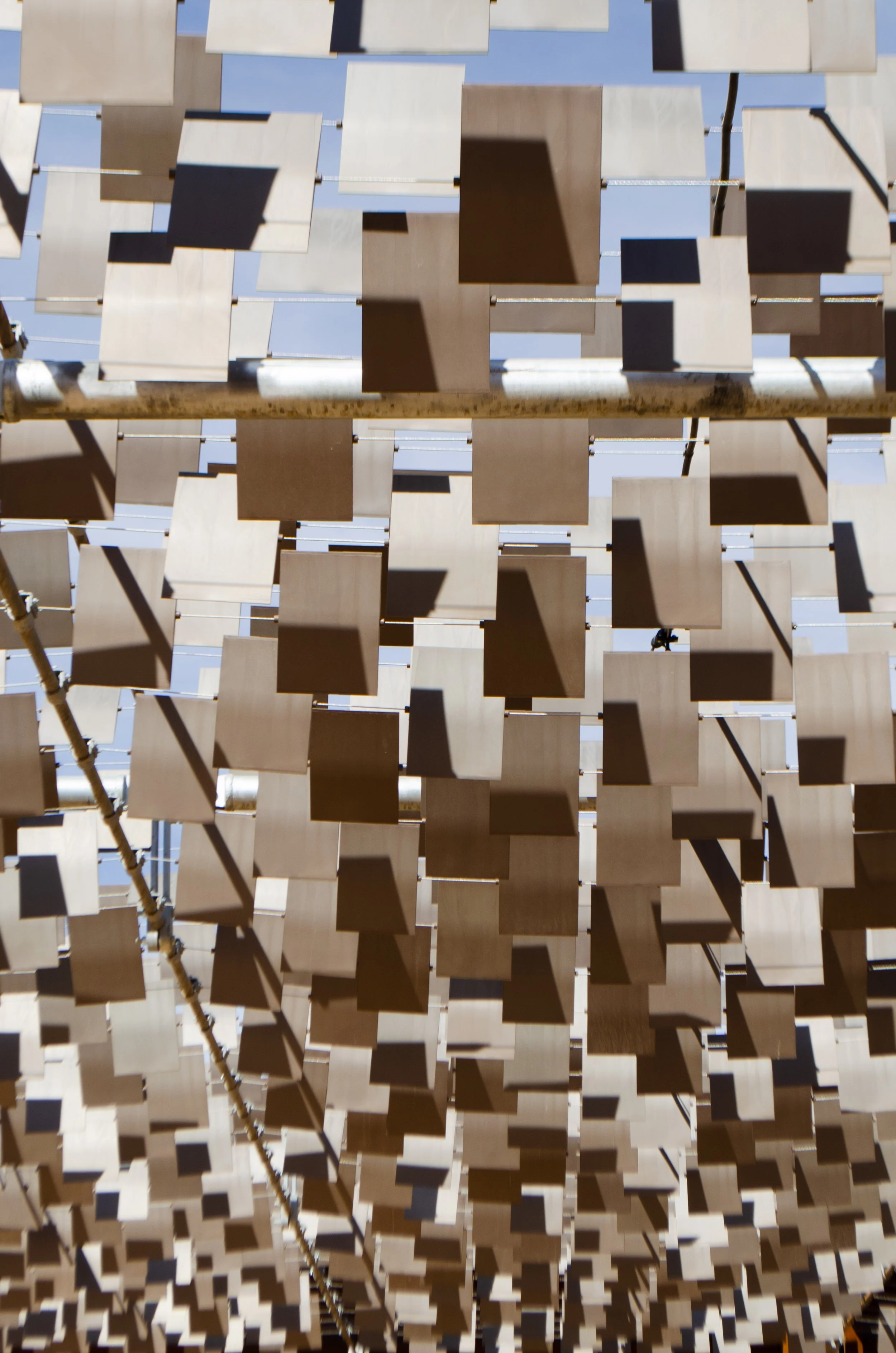
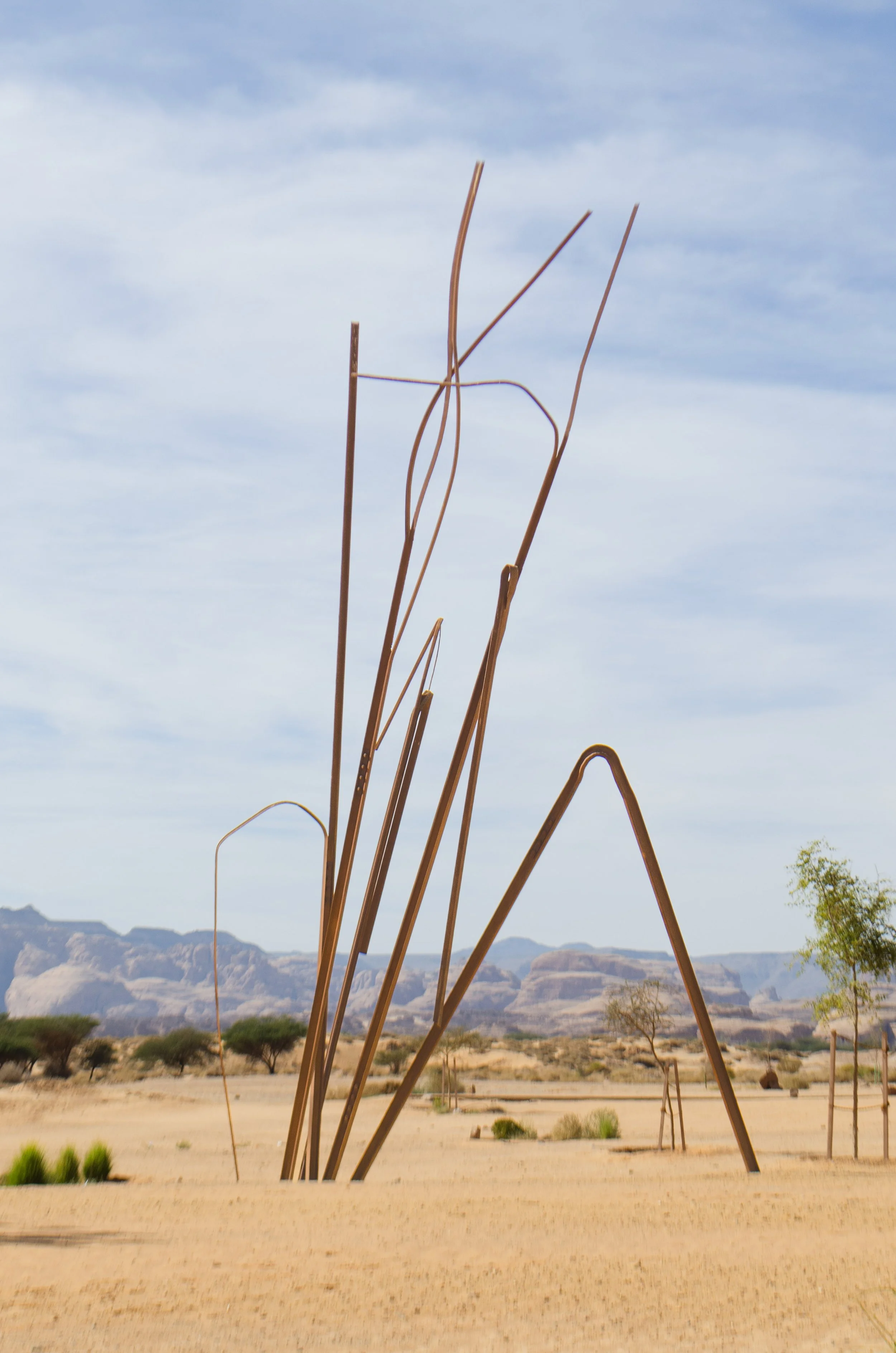
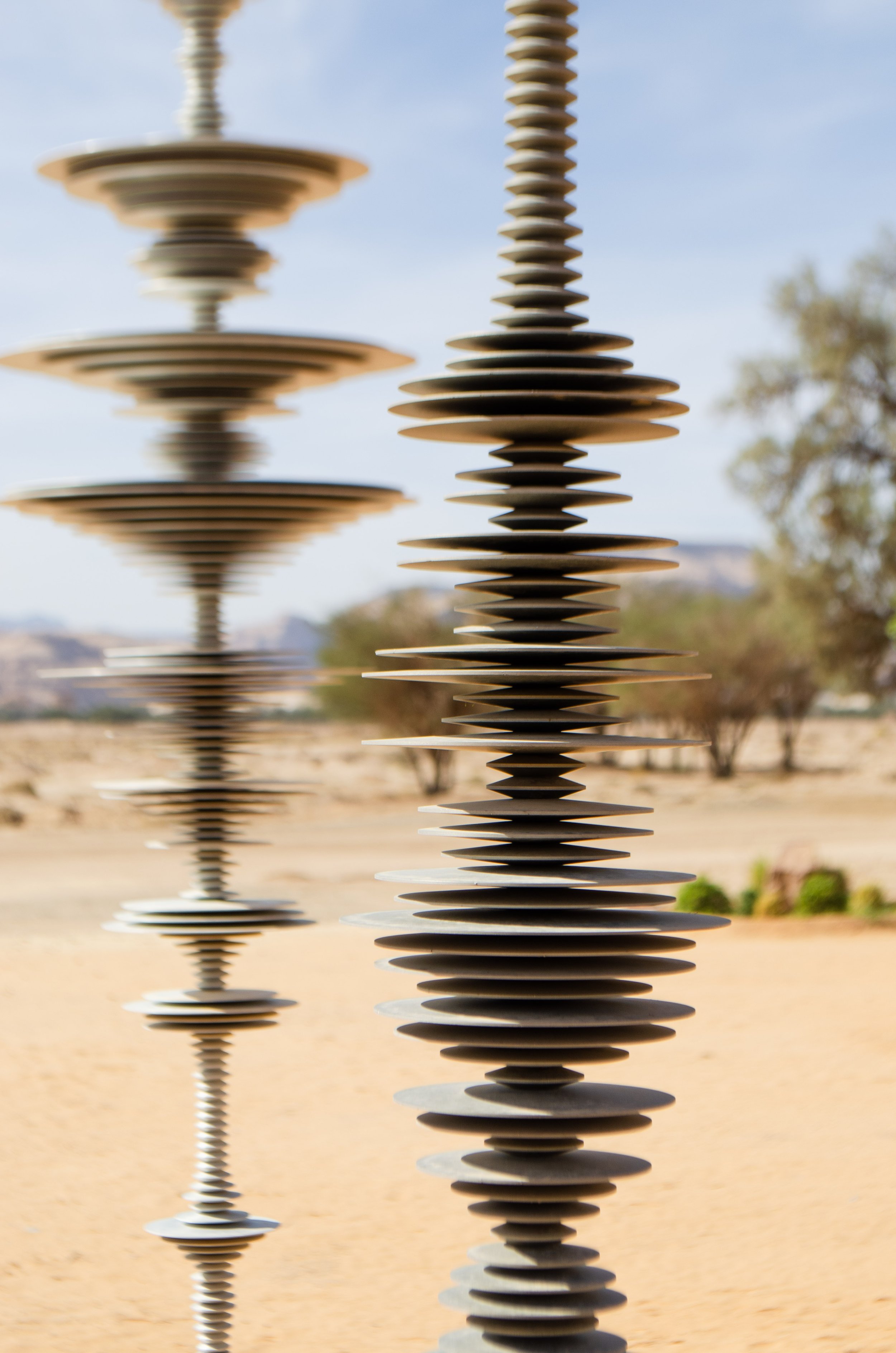
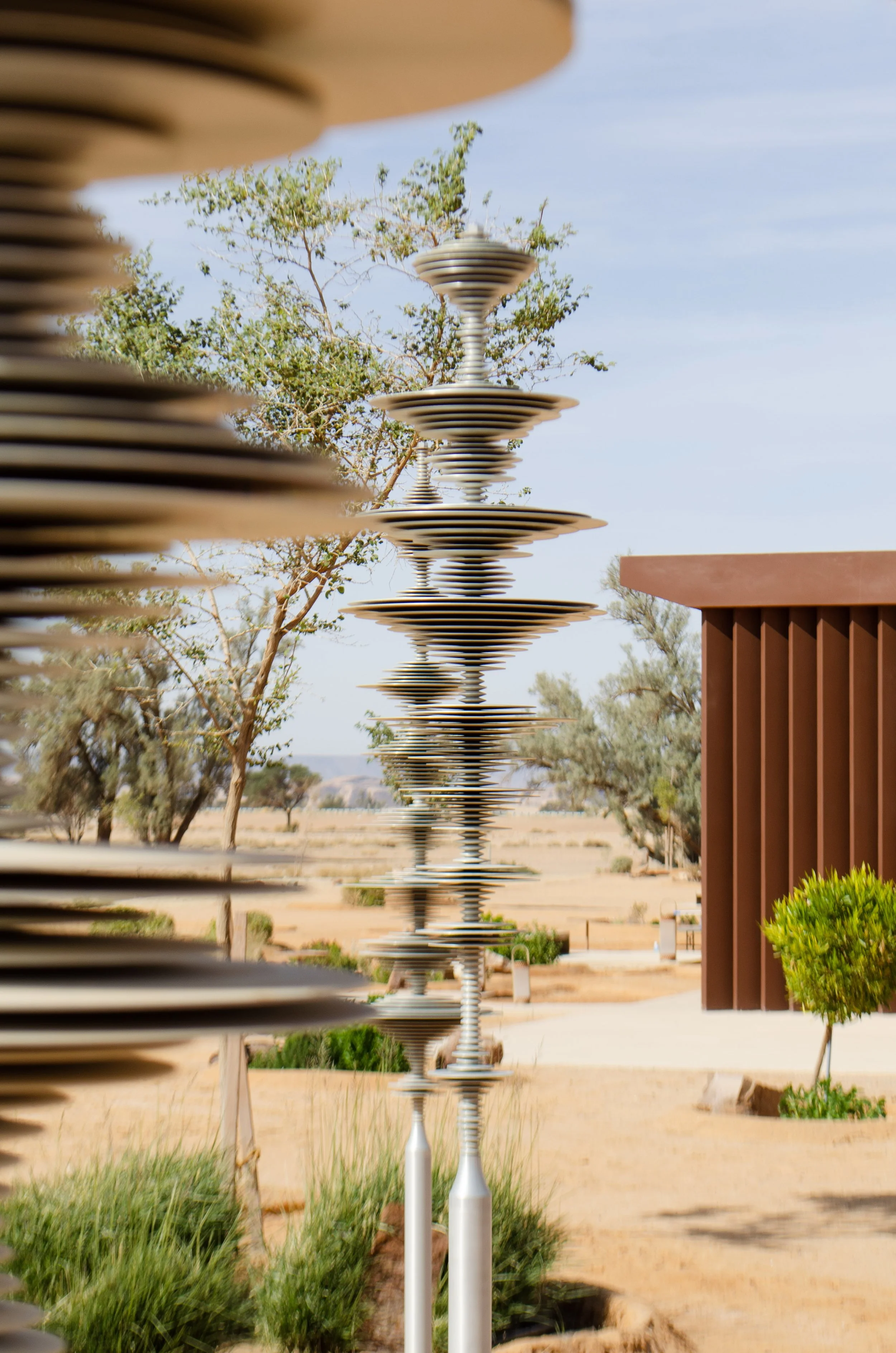
Even the art reflects this deep connection to the soil. From Monika Sosnowska’s installation, Silent Witnesses of the Past—crafted from repurposed steel rails—to the 700-meter-long Shadow Canopy known as Lamellae, the installations do not compete with the landscape. They celebrate it. They compliment it. In this sanctuary, culture is not merely decorative; it is identitary. Whether you are in the Saudi Coffee House learning the ancient geometry of brewing, roasting, and cup decoration, or listening to the Rawi, the hotel’s dedicated storyteller, you realize that Hegra is not a backdrop; it is the primary narrator of your journey.
©Sigurd Magnor Killerud
The Perfect Day at Hegra
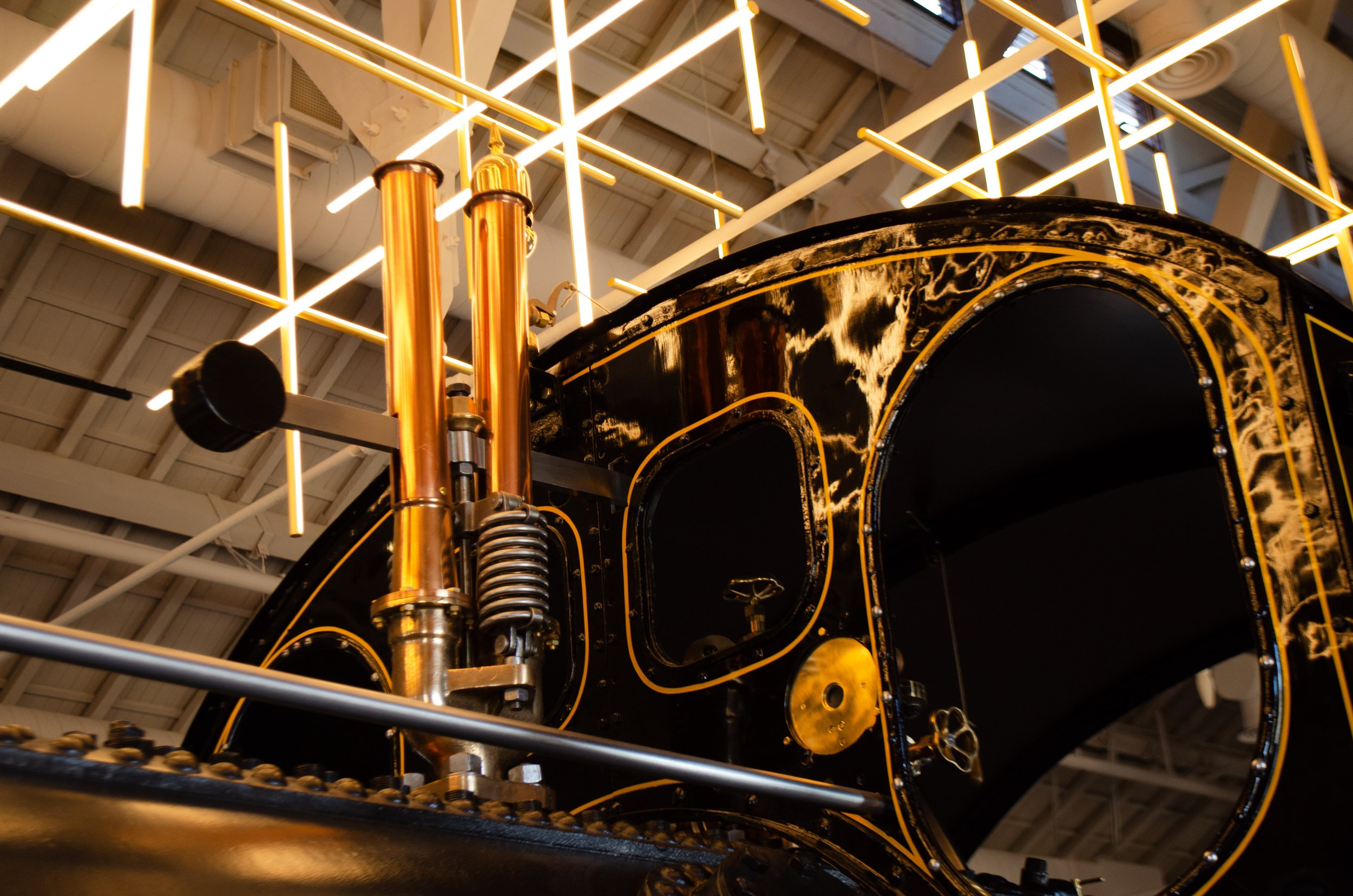
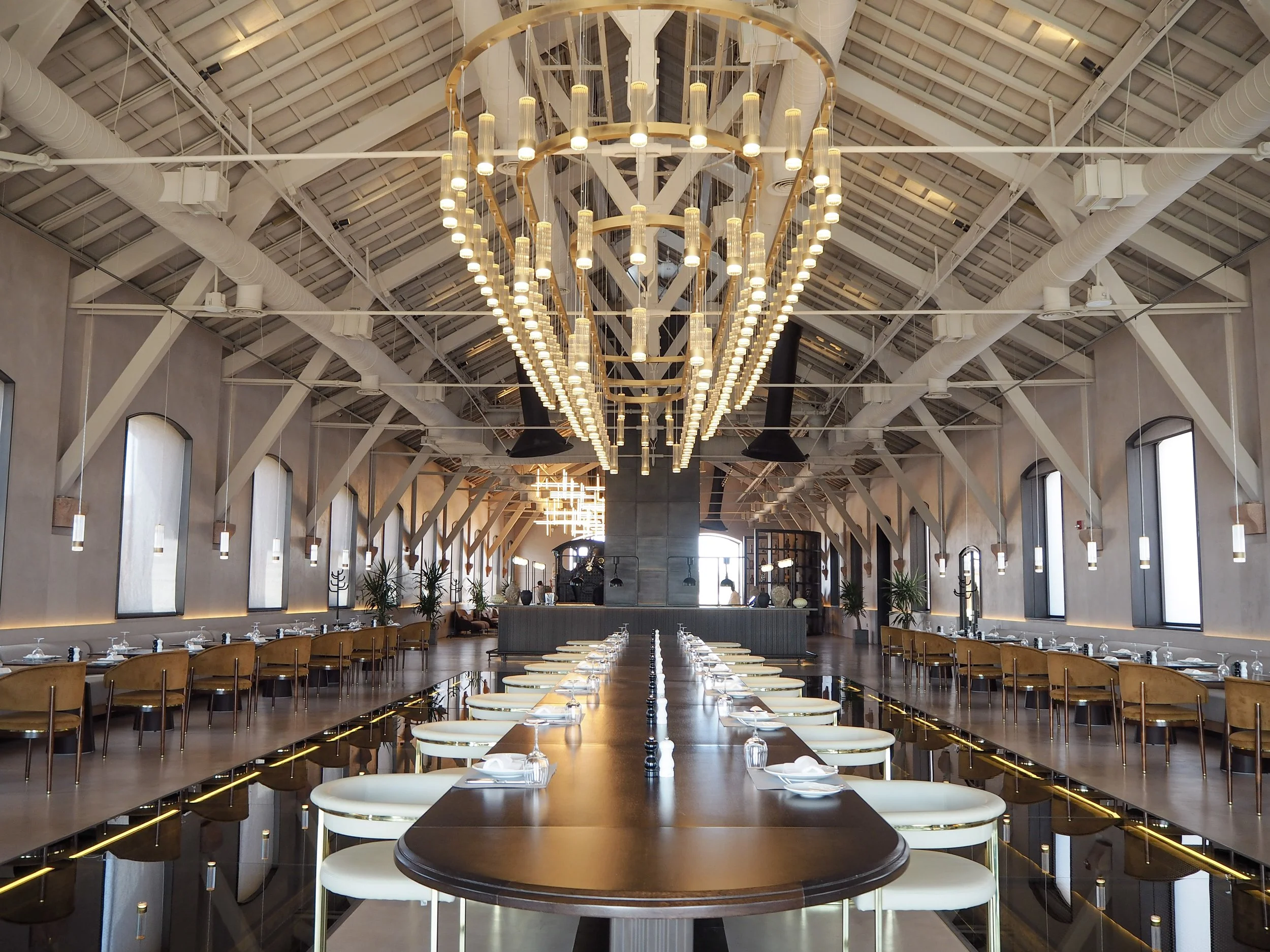
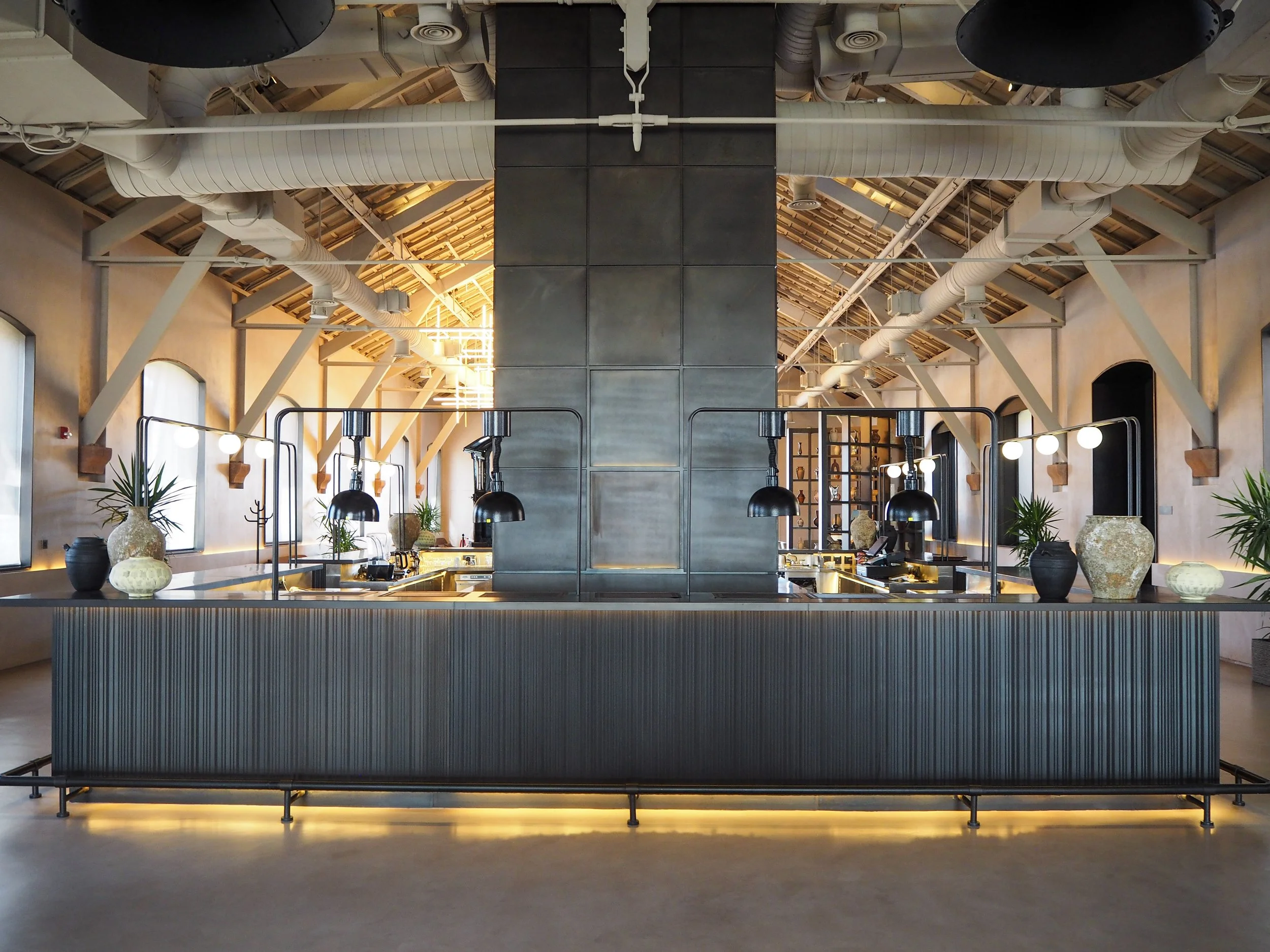
Imagine a morning where the light hits the sandstone tombs with a golden ferocity, waking you in a room that still holds the structural memory of the railway era. Your perfect day begins with a quiet, reflective breakfast, followed by a bike exploration through the archaeological trails. Pedaling through the silence of Mada’in Salih, you weave between monumental facades that have stood for two millennia. By midday, the heat invites you back to Prima Classe, the restaurant housed in the original train station. Here, you dine in the presence of history, quite literally; the restored Locomotive 964 stands as a magnificent centerpiece. An original 2-6-0 model crafted by the Arnold Jung Lokomotivfabrik in 1906, it has been polished back to life after a meticulous restoration process involving over 15,000 man-hours.
As the desert heat mellows in the afternoon, the focus shifts to the Chedi Spa, tucked within an original mud-brick villa where the air is scented with moringa and frankincense. A sunset yoga session on the terrace offers a moment of profound stillness as the cliffs turn deep crimson.
©Sigurd Magnor Killerud
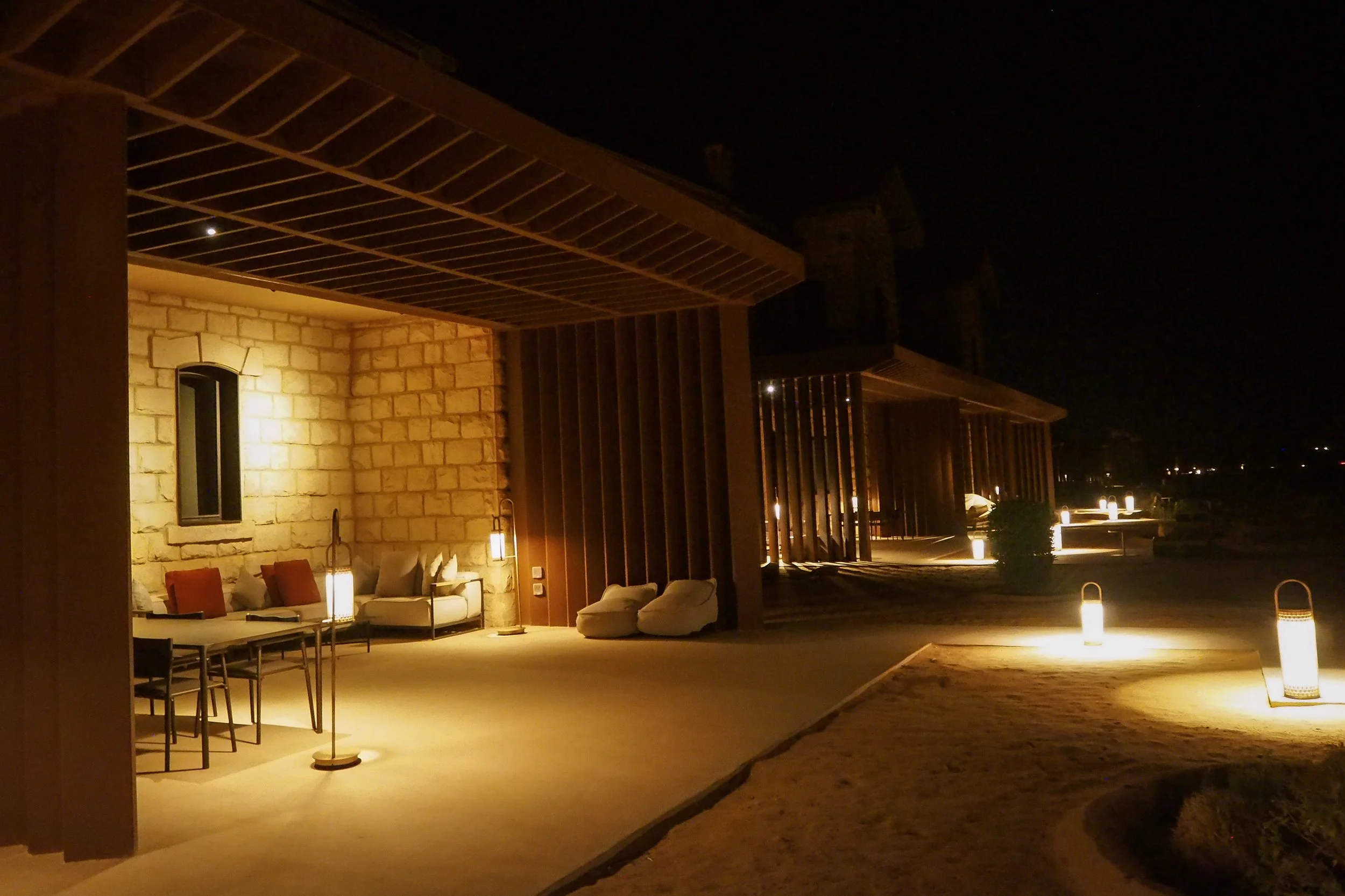
The day reaches its crescendo in the most intimate of ways: on your private patio, wrapped in the warmth of an open fire. In AlUla, the sky is a spectacular protected resource; the resort’s lighting is meticulously adapted to respect the darkness, revealing a canopy of stars so bright and dense they feel like a physical weight upon the desert floor.
©Sigurd Magnor Killerud
A Multifaceted Staycation: The Art of Experiencing
Whether you are dune bashing through the wildlife reserves to glimpse the Arabian Oryx, Gazelles, and Nubian Ibex, or spending a contemplative afternoon at Al Mahattah for high tea, The Chedi Hegra offers a staycation that refuses to be static. It is a place where the luxury of rest is constantly interspersed with the thrill of doing and experiencing. The resort functions as a sanctuary of discovery, where a bespoke tour of the stone lion-guarded city of Dadan is just as accessible as a world-class spa treatment incorporating Saudi Arabia’s most time-honored beauty secrets.
This is more than a boutique hotel; it is a significant milestone in Saudi Arabia’s Vision 2030, a bridge between the romance of the old Hajj rail routes and a sustainable, sophisticated future. It is a project that understands the weight of its location. To stay here is to experience the rare privilege of watching the moon rise over a necropolis from the comfort of a world-class villa. It is a journey that connects the traveler to the very soul of the Kingdom, leaving you with the sense that you haven’t just stayed in a room—you have been part of the legend.
The Chedi Hegra: The Intelligence of Detail
Architectural Alchemy The resort is a masterpiece of "adaptive reuse" by Studio Gio Forma. Every wall is finished with a bespoke plaster—a precise blend of local sand and mud—engineered to disappear into the AlUla cliffs as the sun moves.
The Iron Soul Standing in the heart of the Prima Classe restaurant is Locomotive 964. It took 15,000 man-hours over a full year to restore this 1906 Arnold Jung engine, turning a rusted relic of history into a polished monument.
The Shadow Canopy Stretching 700 meters along the old railway line, the structure known as Lamellae acts as an architectural bridge, providing a cooling "shadow journey" that connects historic tracks to modern guest areas.
Tactile Heritage The interiors prioritize materiality over flash, creating a dialogue between the rough-hewn stone walls of the 1907 station and the buttery-soft, high-design leather by Poltrona Frau.
A Natural Sanctuary Beyond the tombs, the resort acts as a gateway to the Hegra Wildlife reserve. Keep an eye out for the Arabian Oryx and the Nubian Ibex, often seen at dawn near the rock formations.
Nocturnal Protocol To preserve the sanctity of the UNESCO dark sky, the resort uses specialized low-impact lighting, ensuring the stars remain the brightest feature of the night.
All photos by Sigurd M. Killerud
- Our stay was hosted -